
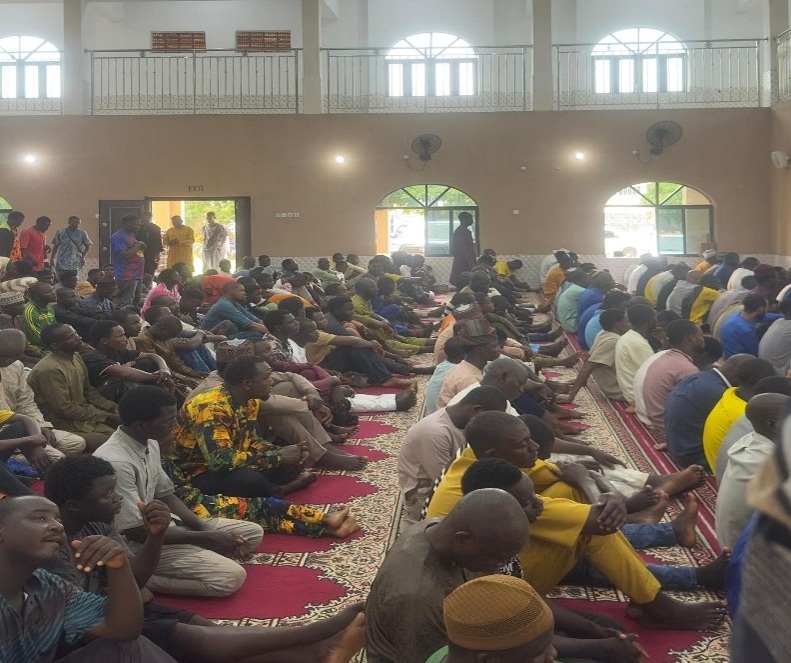
SPECIAL JUMU’AH SERVICE FOR THE 36TH COMBINED CONVOCATION OF THE UNIVERSITY OF PORT HARCOURT
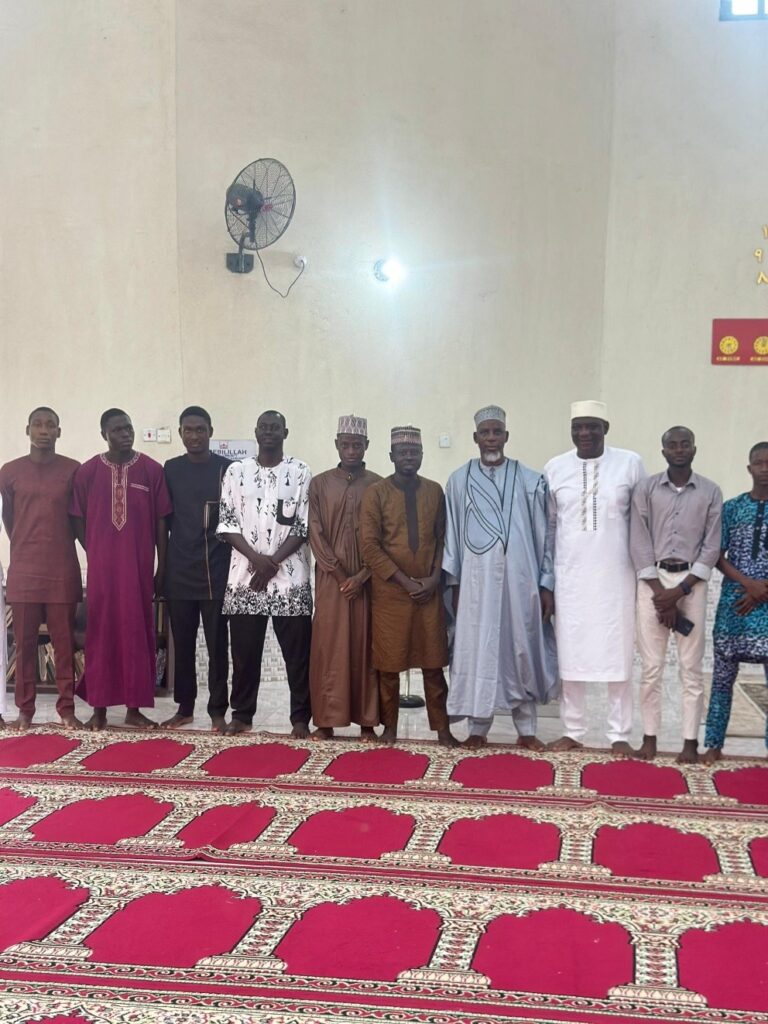
As part of activities marking the commencement of the 36th Combined Convocation Ceremony of the University of Port Harcourt, members of the Muslim Community gathered at the University Central Mosque today, Friday 29th of May, 2026, for a Special Jumu’ah Service.
In his thought-provoking sermon titled “Education as a Tool of Combating Corruption”, the Chief Imam of the University of Port Harcourt, *Professor A. R. Kilani*, emphasized that education must go beyond the acquisition of certificates and professional qualifications. According to him, the true essence of education lies in the formation of character, integrity, responsibility, and moral consciousness.
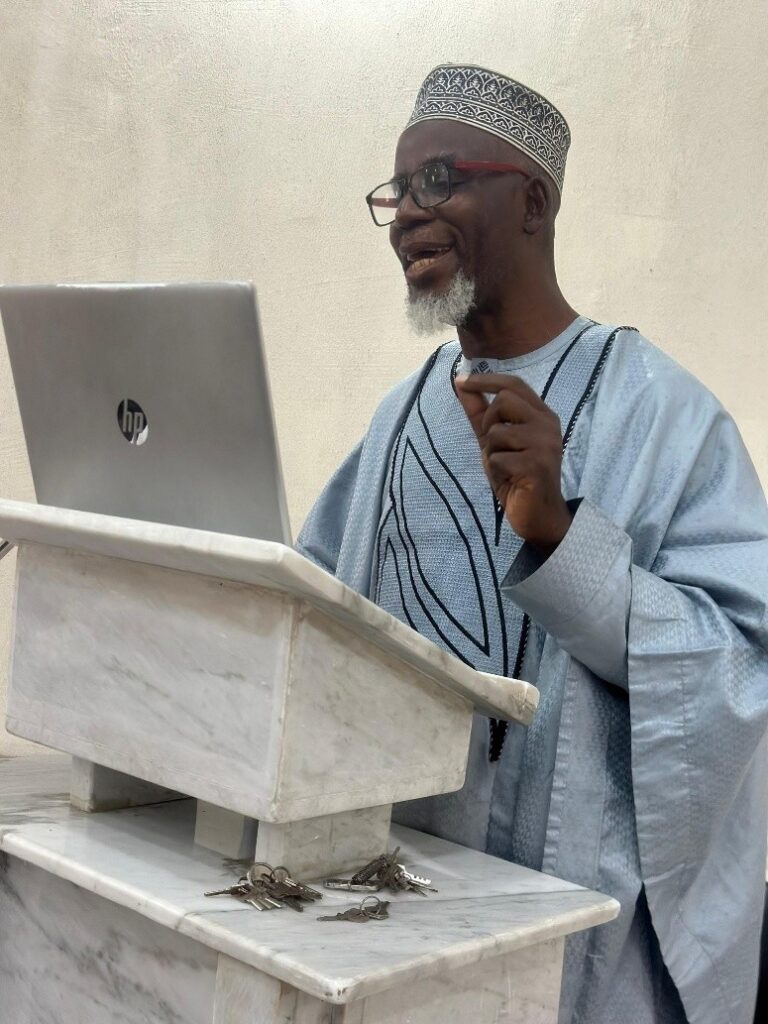
Professor Kilani described corruption as the abuse of entrusted power for private gain and stressed that Islam regards every act that undermines justice, accountability, morality, and the rule of law as a form of corruption. He noted that corruption continues to impede national development, weaken institutions, erode public trust, and contribute to social instability.
In this regard, he referenced the Qur’anic warning:
﴿ظَهَرَ الْفَسَادُ فِي الْبَرِّ وَالْبَحْرِ بِمَا كَسَبَتْ أَيْدِي النَّاسِ﴾
“Corruption has appeared on land and sea because of what the hands of people have earned.” (Qur’an 30:41) The Chief Imam observed that one of the greatest failures of contemporary education is the neglect of character formation. Quoting C. S. Lewis, he reminded the congregation that *”education without moral values makes man a clever devil.”* He argued that the fight against corruption cannot succeed unless integrity, social justice, accountability, and civic responsibility are consciously embedded within the educational system.
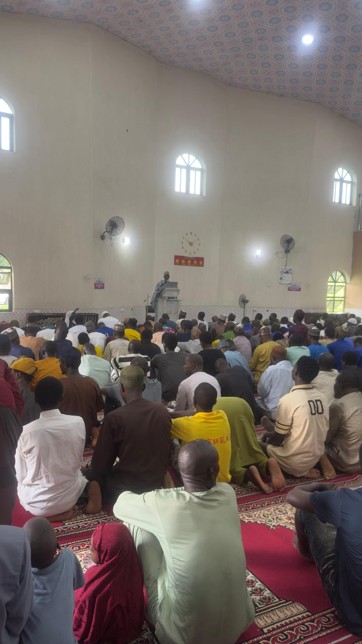
Drawing from Islamic teachings, Prof. Kilani highlighted several anti-corruption principles, including the concepts of *_Khilafah_ (vicegerency), accountability before Allah on the Day of Judgment, good character (Akhlaq), trustworthiness (Amanah), prohibition of bribery (Rishwah), prompt payment of workers’ wages, and impartial enforcement of justice without sacred cows or untouchables.*
He reminded the congregation that accountability is a central pillar of Islamic ethics, citing the words of Allah:
﴿اللَّهُ لَا إِلَٰهَ إِلَّا هُوَ لَيَجْمَعَنَّكُمْ إِلَىٰ يَوْمِ الْقِيَامَةِ لَا رَيْبَ فِيهِ﴾
“Allah! There is no deity worthy of worship except Him. Surely, He will gather you together on the Day of Resurrection about which there is no doubt.” (Qur’an 4:87)
He further stressed that genuine education should produce citizens who reject corruption, hold leaders accountable, protect public trust, and contribute positively to society. In his words, education should make people “see corrupt people as enemies of society,” encourage whistleblowing against wrongdoing, and promote honesty and public responsibility. Professor Kilani concluded by calling for a moral rebirth in the nation, urging educational institutions, families, religious bodies, and leaders to work together in cultivating values that promote integrity, justice, hard work, and accountability.
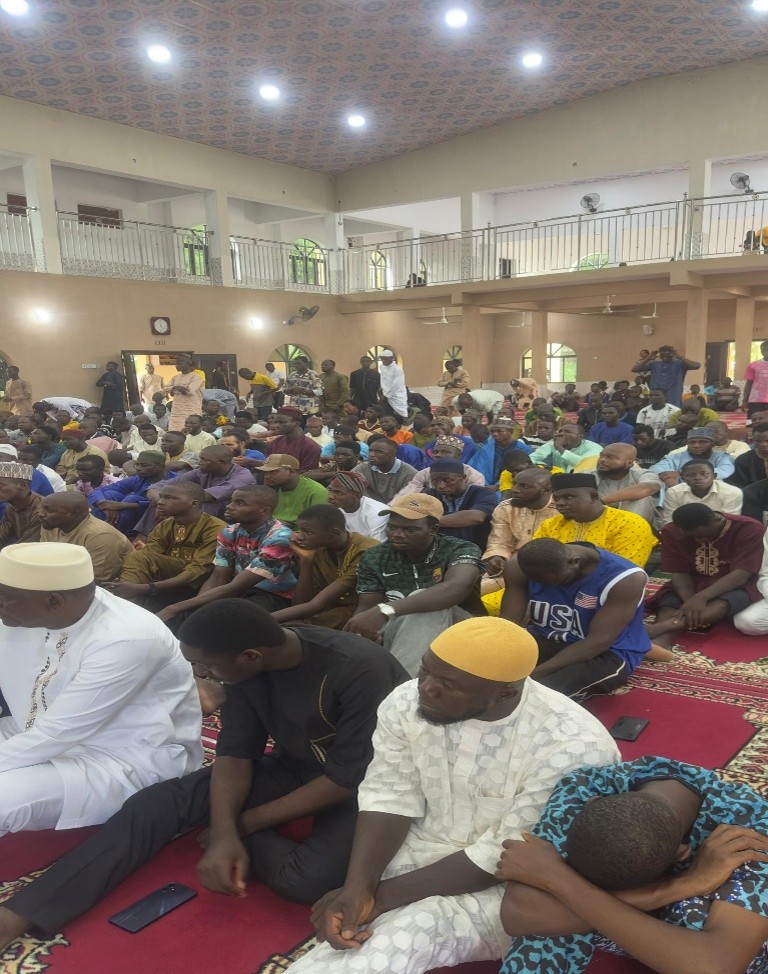
Echoing the importance of values-based education, Prof. Kilani emphasized that the purpose of education is not merely the production of graduates with certificates, but the nurturing of men and women of integrity, responsibility, and sound moral character.
The Special Jumu’ah Service also featured prayers for the graduands, their parents, the University leadership, staff, students, governing authorities, and the nation at large.
May Allah grant all graduating students beneficial knowledge, righteous character, and success in their future endeavours. Āmīn.